
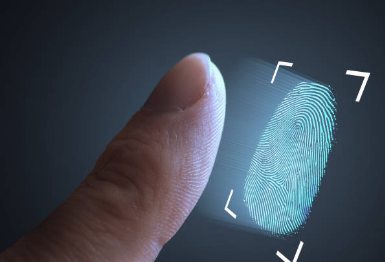
Are Fingerprints the Next Credit Card Numbers?
Biometric payments powered by fingerprint authentication boost convenience and security—but irreversible data raises serious cybersecurity concerns.
As digital transactions surge in a cashless age, fingerprint-based biometric payments are emerging as a seamless alternative to PINs and cards—promising speed, security, and user convenience. Major players, from banks to fintechs, are embracing this shift, signalling a transformation in how we authenticate payments.
However, unlike credit card numbers that can be reissued after a breach, biometric data is irrevocable. Once your fingerprint is compromised, it remains at risk perpetually.
Why This Matters:
Cybercriminals have adapted, targeting biometric systems through techniques such as spoofing, deepfakes, and database intrusions. Europol reports that attackers are using synthetic fingerprints and masked facial imagery to break into systems designed to be secure.
Storage Risks—Between Cloud, Device, and Vaults:
- Cloud storage offers easy access but increases the risk of large-scale breaches.
- Device-based storage is safer from central hacking but vulnerable if the device is stolen.
- Encrypted vaults balance both, though they require advanced infrastructure and strict management.
Strengthening the Future of Biometric Systems:
To protect users, financial institutions and tech providers must adopt:
- End-to-end encryption
- Frequent vulnerability assessments
- Biometric plus multifactor authentication (e.g., fingerprint + PIN)
- Secure, decentralized biometric storage
- Data protection regulations like GDPR and India’s emerging frameworks, which classify biometrics as highly sensitive personal data
Global Regulations & Ethical Impacts:
Biometric data regulations around the world reflect the magnitude of this issue—from the EU’s GDPR to more localized laws like Illinois’ BIPA. Recent lawsuits against major retailers for collecting biometric data without consent highlight the urgency of policy interventions.