

Did You Know? 90% Brain Development Happens Before Age 6– Insights by Shruti Ahuja
Ages 2–6 are key to brain and emotional development. Expert Shruti Ahuja explains why early education matters in India.
New Delhi: The learning wire
The early years of a child’s life, particularly between the ages of 2 to 6, are now widely recognized as the most crucial phase for overall growth and development. Education experts emphasize that this stage plays a defining role in shaping a child’s cognitive abilities, emotional intelligence, and future learning outcomes.
According to Shruti Ahuja, Principal of Holy Trinity Preschool, early childhood education is not merely a preparatory stage for formal schooling but a foundation for life itself.
“The experiences children receive during these formative years directly influence their personality, learning ability, and behavior. Early education must focus on holistic development rather than just academics,” she said.
Rapid Brain Development in Early Years
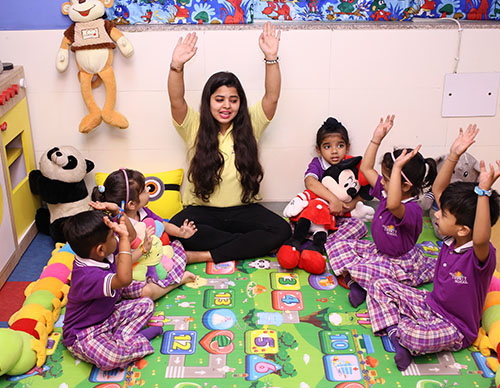
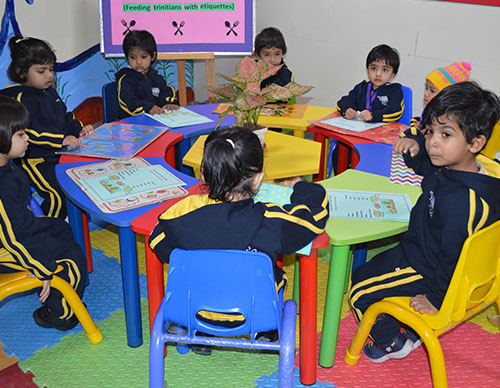

Research indicates that nearly 90% of brain development occurs before the age of six, making early stimulation critical. Highlighting this, Shruti Ahuja noted that structured activities such as storytelling, interactive play, and guided learning significantly enhance cognitive growth.
“Children’s brains are highly receptive at this stage. A stimulating environment helps them develop curiosity and problem-solving abilities,” she added.
Social and Emotional Skills Take Shape
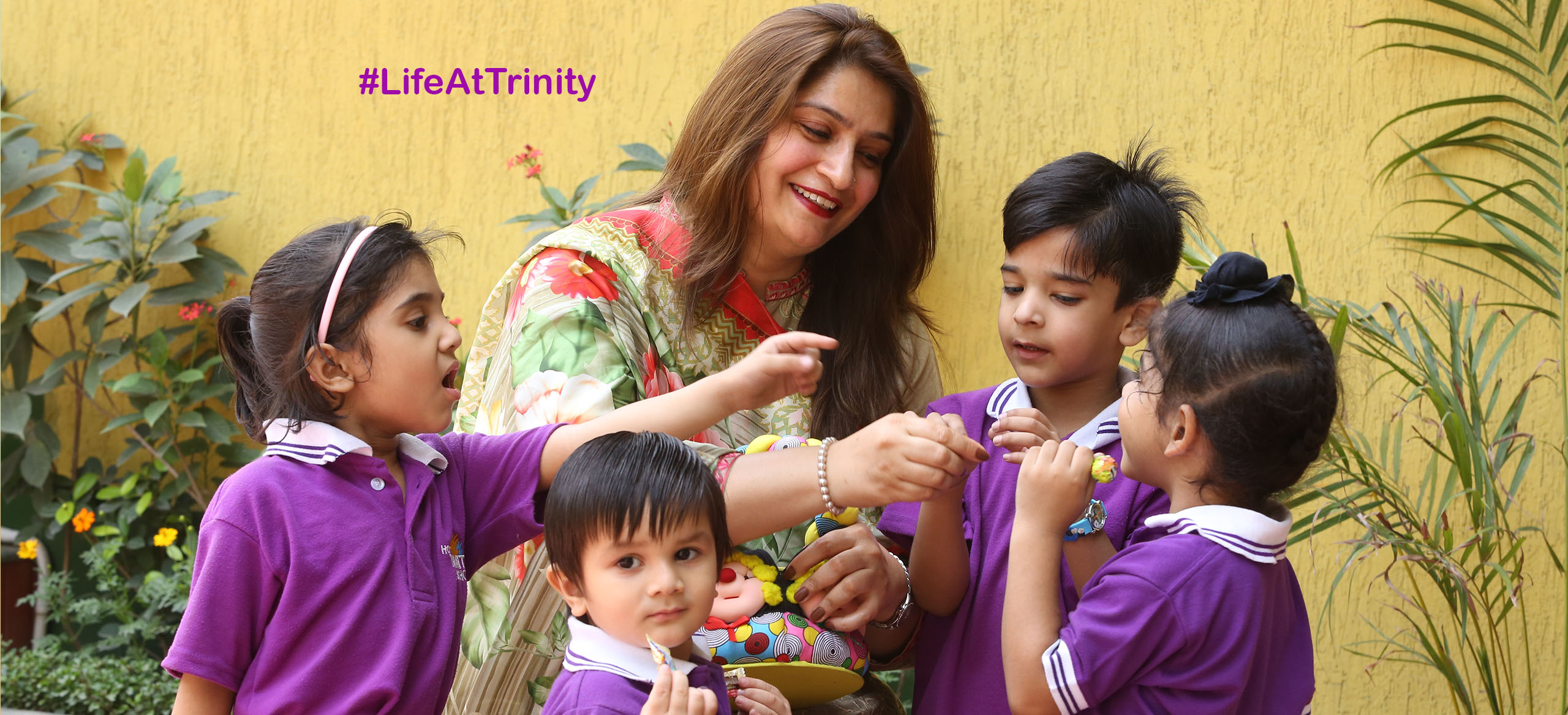
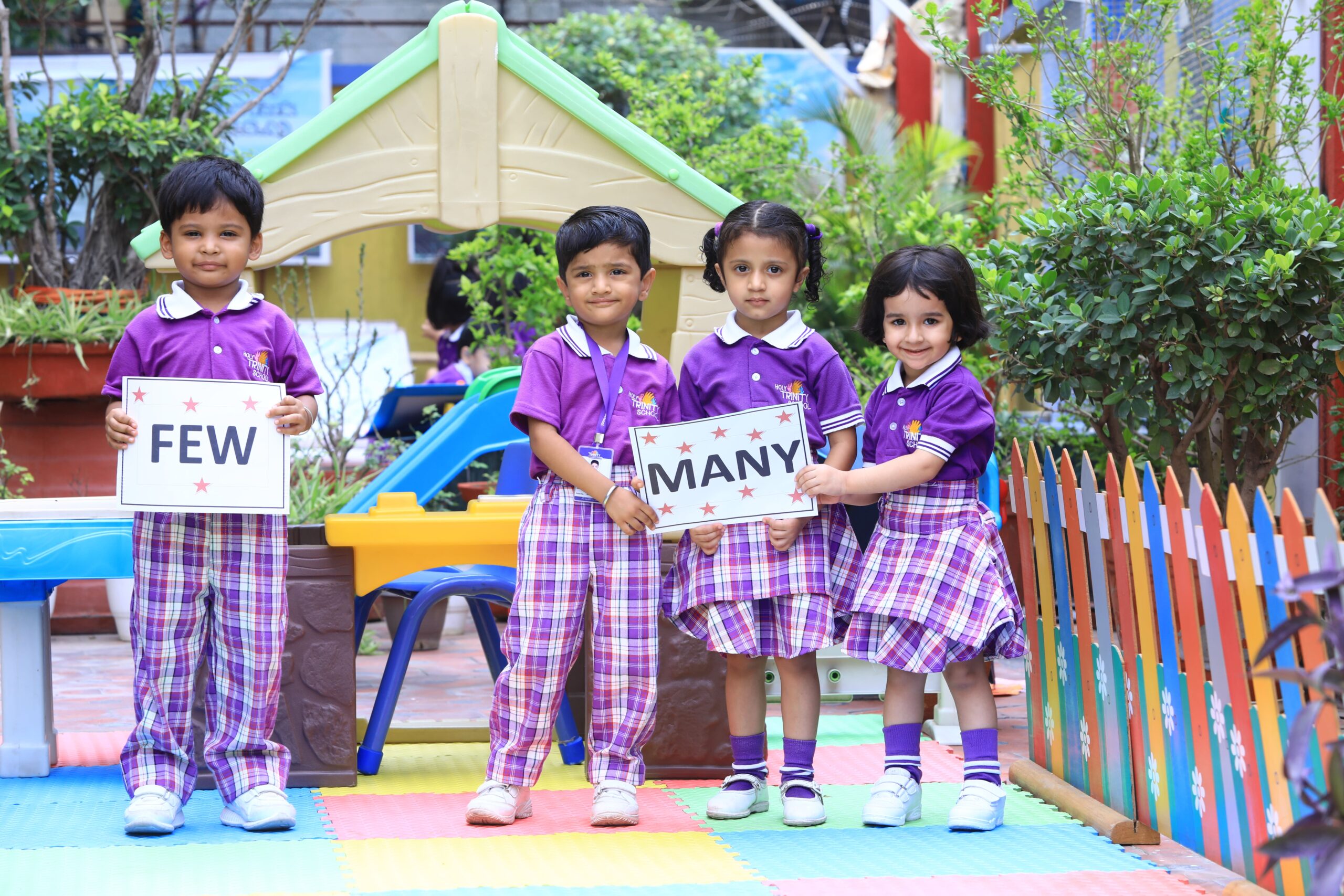

Experts underline that early childhood is also the time when children begin to understand relationships, emotions, and social behavior.
At Holy Trinity Preschool, emphasis is placed on nurturing:
- Emotional security
- Confidence and independence
- Social interaction and empathy
“A nurturing preschool environment ensures that children feel safe and valued, which is essential for their emotional development,” said Ahuja.
Language Development at Its Peak


The 2–6 age group is considered the most effective period for language acquisition.
Children exposed to storytelling, rhymes, and interactive communication tend to develop stronger vocabulary and expression skills.
“Encouraging children to speak, listen, and express themselves builds confidence and communication abilities,” Ahuja explained.
Play-Based Learning Gains Importance


Modern early education increasingly emphasizes play-based learning, which combines fun with structured outcomes.
“Play is not separate from learning—it is the most natural and effective way children learn,” said Shruti Ahuja.
This approach helps children develop creativity, logical thinking, and motor skills simultaneously.
Building Habits That Last a Lifetime

Experts also stress that early years are key for habit formation.
Children begin to learn:
- Discipline and routine
- Hygiene and self-care
- Respect for rules
“Habits developed during early childhood stay with individuals throughout their lives,” Ahuja noted.
Early Childhood Education in India: A Growing Focus Policy Push Under NEP 2020
India has taken significant steps to strengthen early education through the
National Education Policy 2020, which emphasizes foundational literacy and numeracy.
Experts believe this policy marks a shift toward recognizing preschool education as a critical component of the formal education system.
Current Scenario and Challenges
India’s early childhood education ecosystem includes Anganwadi centres, private preschools, and daycare institutions. However, challenges remain:
- Unequal access in rural and urban areas
- Lack of trained educators
- Need for standardized curriculum
Despite these challenges, institutions like Holy Trinity Preschool are working toward providing quality early education.
Expert Call for Holistic Approach
Shruti Ahuja emphasizes that the future of early education in India lies in a balanced approach.
“We must move beyond rote learning and focus on creativity, emotional well-being, and experiential learning. Parents and educators must work together to support children during these crucial years,” she said.
Conclusion: Investing Early for a Better Tomorrow
As research and expert insights suggest, the ages of 2–6 years are not just important—they are transformational. Investments in early childhood education can lead to better academic outcomes, improved social behavior, and a stronger society.
“If we nurture children in these early years, we are shaping the future of the nation,” concluded Shruti Ahuja.